

Click Here to Download this Blog Post – hEDS vs. HSD: Solving the Genetic Mystery
By Dr. Nicholas L. DePace, M..D., F.A.C.C – Cardiologist specializing in autonomic dysfunction, Ehlers-Danlos syndrome and POTS.
If you are navigating the world of joint pain and dizziness, you will likely hear two terms used constantly: hEDS (Hypermobile Ehlers-Danlos Syndrome) and HSD (Hypermobility Spectrum Disorder).
Patients often ask, “What is the difference? Is one worse than the other?”
The answer lies in our DNA, but it is a bit of a mystery story.
The “Missing Gene” of hEDS
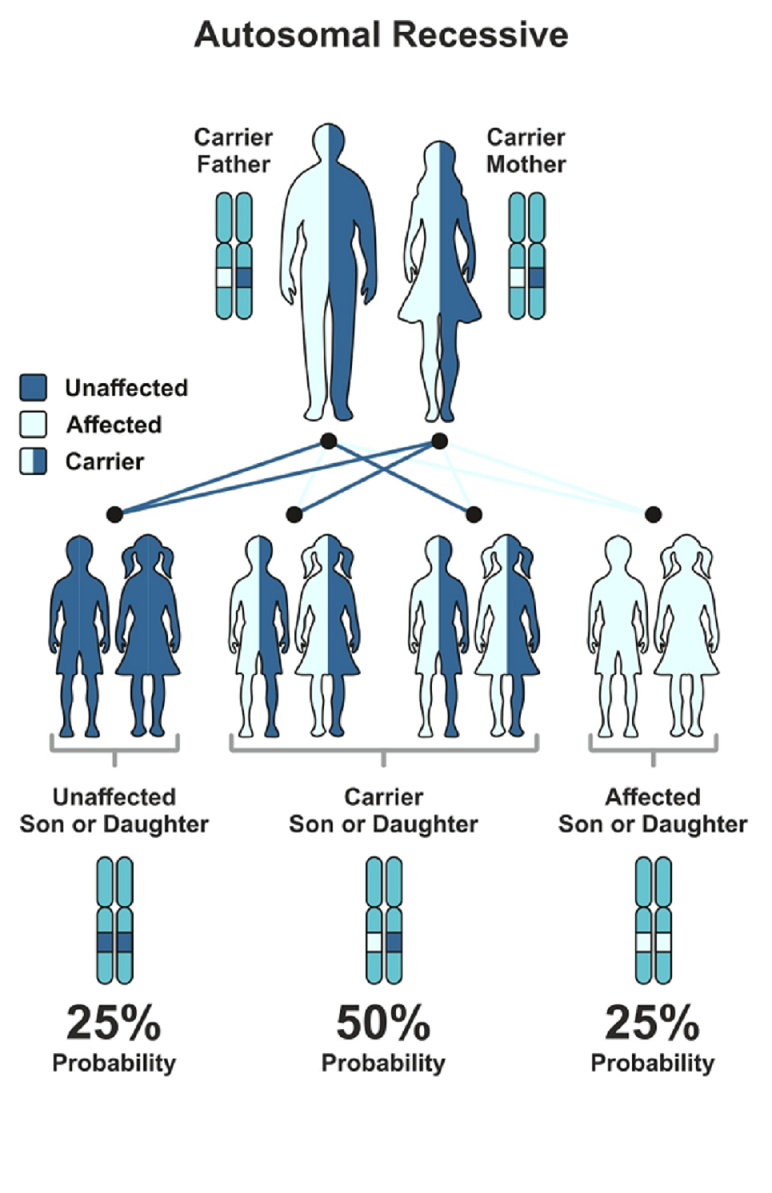
Doctors strongly suspect that hEDS is Autosomal Dominant.
- Translation: If you have it, there is a 50/50 chance you will pass it to your children.
However, unlike the other types of EDS, scientists haven’t found the specific gene yet. We know it runs in families; we know what it looks like, but we can’t point to the exact spot on your DNA map that causes it.
HSD: The “Sibling” Diagnosis
Hypermobility Spectrum Disorder (HSD) is essentially the sibling of hEDS.
You receive this diagnosis when you have the symptoms—the flexible joints, the pain, the fatigue—but you don’t quite meet the strict checklist for hEDS, or your family history is unclear.
The Bottom Line: Whether your chart says hEDS or HSD, the treatment is largely the same because the physical problems are almost identical.
The Rare Cousins: Vascular and Classical EDS
In specialized clinics, hEDS and HSD make up the vast majority of patients. It is very rare to walk in and find a case of Vascular EDS or Classical EDS.
- These types do have known genetic markers.
- If a doctor suspects these (due to dangerous symptoms like organ rupture or extremely stretchy skin), they will order genetic testing to confirm it.
The Real Culprit: Sympathetic & Parasympathetic Dysfunction
Whether you are labeled hEDS or HSD, you likely aren’t just dealing with loose joints. You are dealing with a “wiring” problem that causes two main issues:
- The Gas Pedal Fails (Sympathetic Withdrawal)
- What happens: You stand up, and your body forgets to pump blood upward.
- The Result: Orthostatic Dysfunction. You feel dizzy, your heart races, and you have chronic fatigue.
- The Brake Pedal Gets Stuck (Parasympathetic Excess)
- What happens: Your body over-reacts to stress with too much “calming” signal.
- The Result: Syncope (fainting), digestive issues (stomach stops moving), anxiety, and inflammation.
- Crucially: This “wiring glitch” actually amplifies pain. It turns the volume knob up on your nerves, making your joints hurt more than they should.
The “Fibromyalgia” Trap
This pain amplification leads to one of the most common mistakes in modern medicine.
At least one-third of hEDS/HSD patients have visited a rheumatologist and been diagnosed with Fibromyalgia.
- The Misconception: Fibromyalgia is often treated as a mystery pain condition.
- The Reality: For many, that “Fibromyalgia” is actually undiagnosed hEDS/HSD. The loose joints are causing the irritation, and the faulty nervous system (P&S dysfunction) is magnifying that pain signals.
If you have been told you have Fibromyalgia but also have flexible joints and dizziness, it might be time to look at your “wiring” instead of just treating the pain.
Where to Seek Expert Care?
It is important to seek out a clinician with expertise in EDS to make an accurate diagnosis and create a treatment plan. One of the nation’s leading dysautonomia treatment center is Franklin Cardiovascular Associates, under the direction of Nicholas DePace, MD, FACC. They are located in Sicklerville, New Jersey. franklincardiovascular.com, (856) 589-6034
About the Author
Nicholas L. DePace, MD, FACC is a board-certified cardiologist and Medical Director of Franklin Cardiovascular Associates. A graduate of the Mount Sinai School of Medicine, Dr. DePace has decades of clinical, academic, and research experience and has held faculty appointments as a Clinical Professor of Medicine, becoming one of the youngest full professors in Philadelphia at the time of his appointment.
Dr. DePace specializes in the diagnosis and treatment of autonomic nervous system dysfunction (dysautonomia), including POTS, autonomic dysfunction associated with Ehlers-Danlos syndrome (EDS), chronic fatigue, and anxiety-like conditions that are frequently misdiagnosed. He is nationally recognized for his work on parasympathetic and sympathetic (P&S) nervous system imbalance, a core mechanism underlying many complex chronic disorders.
In addition to treating patients from across the United States, Dr. DePace is a prolific clinical researcher and author of multiple nationally distributed medical textbooks published by Springer and W.W. Norton, focusing on autonomic dysfunction, mitochondrial disorders, cardiovascular disease, and mind–body medicine.
👉 View Dr. DePace’s professional profile
👉 View medical books by Dr. DePace