
More Than Sick of Salt

All Posts Tagged: EDS

Ehlers Danlos Syndrome

Ehlers-Danlos Syndrome (EDS): Hypermobility Diagnosis, HSD vs hEDS & Treatment Approach

Click Here to Download this Blog Post –  Ehlers-Danlos Syndrome (EDS) Hypermobility Diagnosis and Treatment (Part 3)

By Dr. Nicholas L. DePace, M..D., F.A.C.C – Cardiologist specializing in autonomic dysfunction, Ehlers-Danlos syndrome and POTS.

Understanding Hypermobility: HSD vs hEDS

Our clinic treats patients with hypermobility (being “double-jointed” or “bendy”), which mainly fall into two groups:

  • Hypermobility Spectrum Disorder (HSD)
  • Hypermobile Ehlers-Danlos Syndrome (hEDS)

Both are complex and affect the whole body. It’s easy to get lost in the details of diagnosis, but the most important thing to remember is that the treatment for both HSD and hEDS is often identical.

Patients want a diagnosis, but what they need most is a plan to manage their symptoms and feel better.

Our 3-Step Approach to Hypermobility Diagnosis & Treatment

Therefore, our clinic’s process is clear:

  1. Safety First: Immediately rule out the one life-threatening type, vascular EDS (vEDS). All other types, like hEDS and HSD, are not life-threatening (they just impact the quality of life).
  2. Get a Diagnosis: After confirming it’s not vEDS, we run tests to accurately diagnose which hypermobility disorder the patient has.
  3. Create a Treatment Plan: We then build a plan focused on relieving the patient’s symptoms, improving their quality of life, and increasing their productivity.

Why Expert Evaluation Matters

It is important to seek out a clinician with expertise in EDS to make an accurate diagnosis and create a treatment plan. One of the nation’s leading centers is Franklin Cardiovascular Associates, under the direction of Nicholas DePace, MD, FACC. They are located in Sicklerville, New Jersey. franklincardiovascular.com, (856) 589-6034


About the Author

Nicholas L. DePace, MD, FACC is a board-certified cardiologist and Medical Director of Franklin Cardiovascular Associates. A graduate of the Mount Sinai School of Medicine, Dr. DePace has decades of clinical, academic, and research experience and has held faculty appointments as a Clinical Professor of Medicine, becoming one of the youngest full professors in Philadelphia at the time of his appointment.

Dr. DePace specializes in the diagnosis and treatment of autonomic nervous system dysfunction (dysautonomia), including POTS, autonomic dysfunction associated with Ehlers-Danlos syndrome (EDS), chronic fatigue, and anxiety-like conditions that are frequently misdiagnosed. He is nationally recognized for his work on parasympathetic and sympathetic (P&S) nervous system imbalance, a core mechanism underlying many complex chronic disorders.

In addition to treating patients from across the United States, Dr. DePace is a prolific clinical researcher and author of multiple nationally distributed medical textbooks published by Springer and W.W. Norton, focusing on autonomic dysfunction, mitochondrial disorders, cardiovascular disease, and mind–body medicine.

👉 View Dr. DePace’s professional profile
👉 View medical books by Dr. DePace
Read More

Ehlers-Danlos Syndrome (EDS): Understanding Symptoms, Subtypes, HSD, and Autonomic Dysfunction

Click Here to Download this Blog Post –  Ehlers-Danlos Syndrome (EDS) Prelude – Part 2

By Dr. Nicholas L. DePace, M..D., F.A.C.C – Cardiologist specializing in autonomic dysfunction, Ehlers-Danlos syndrome and POTS.

Overview of Ehlers-Danlos Syndromes (EDS)

Ehlers-Danlos Syndromes (EDS) are a group of 13 heritable connective tissue disorders, which means that you can get it from your parents.

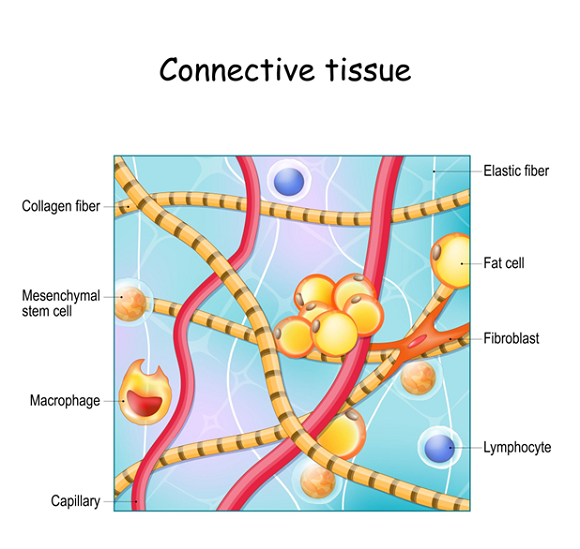
The conditions are caused by genetic changes that affect connective tissue, which is tissue that connects, supports, binds, or separates other tissues or organs. Each type of EDS has its own set of features to identify it.

Core Features Seen Across All EDS Types

Some features are seen across all types of EDS, including joint hypermobility, when joints move beyond their normal range, often due to loose ligaments; skin hyperextensibility, a condition where the skin can be stretched beyond its normal limits because of a problem with the body’s collagen and elastin proteins; and tissue fragility, excessive weakness and susceptibility of tissues to tearing, bruising, and injury.

Hypermobility Spectrum Disorders (HSD)

Patients not meeting strict criteria for EDS may have hypermobility spectrum disorders (HSD) which are connective tissue disorders that cause joint hypermobility, instability, injury and pain.

Additional Symptoms and Related Conditions

Other disorders such as fatigue, a feeling of weariness, tiredness, or lack of energy that can interfere with daily life; headaches, GI problems, a wide range of conditions affecting the digestive tract, with symptoms like abdominal pain, bloating, heartburn, nausea, and changes in bowel habits; and autonomic dysfunctions, a condition where the autonomic nervous system, which controls automatic bodily functions like heart rate, blood pressure, and digestion, doesn’t work properly are often seen as part of EDS/HSD [Ehlers Danlos Society].

Understanding Autonomic Dysfunction in EDS/HSD

Symptoms of EDS and hypermobility may be traced to the parasympathetic, a division of the autonomic nervous system that promotes “rest and digest” functions, counteracting the “fight or flight” response of the sympathetic nervous system; and sympathetic nervous system, a part of the autonomic nervous system that triggers the body’s “fight-or-flight” response to stress or danger; or oxidative stress, an imbalance between the production of free radicals and the body’s ability to detoxify them through antioxidants, leading to cellular damage; and all are treatable.

Clinical Approach to EDS & HSD

As a practicing Clinical Internist, I am always prepared to diagnose a patient with numerous “somatic complaints”, physical symptoms, like pain, fatigue, or dizziness, that cause significant distress or interfere with daily life, with a syndrome rather than to attribute them as psychosomatic, physical symptoms caused by mental factors like stress, anxiety, or emotional disturbance, which is always easier to do and which the majority of physicians prior to a patient’s visit with me have done. Such applies to patients who present with undiagnosed Ehlers-Danlos Syndrome (EDS) or Hypermobility Spectrum Disorder (HSD).

Why Expert Evaluation Matters

It is important to seek out a clinician with expertise in EDS to make an accurate diagnosis and create a treatment plan. One of the nation’s leading centers is Franklin Cardiovascular Associates, under the direction of Nicholas DePace, MD, FACC. They are located in Sicklerville, New Jersey. franklincardiovascular.com, (856) 589-6034


About the Author

Nicholas L. DePace, MD, FACC is a board-certified cardiologist and Medical Director of Franklin Cardiovascular Associates. A graduate of the Mount Sinai School of Medicine, Dr. DePace has decades of clinical, academic, and research experience and has held faculty appointments as a Clinical Professor of Medicine, becoming one of the youngest full professors in Philadelphia at the time of his appointment.

Dr. DePace specializes in the diagnosis and treatment of autonomic nervous system dysfunction (dysautonomia), including POTS, autonomic dysfunction associated with Ehlers-Danlos syndrome (EDS), chronic fatigue, and anxiety-like conditions that are frequently misdiagnosed. He is nationally recognized for his work on parasympathetic and sympathetic (P&S) nervous system imbalance, a core mechanism underlying many complex chronic disorders.

In addition to treating patients from across the United States, Dr. DePace is a prolific clinical researcher and author of multiple nationally distributed medical textbooks published by Springer and W.W. Norton, focusing on autonomic dysfunction, mitochondrial disorders, cardiovascular disease, and mind–body medicine.

👉 View Dr. DePace’s professional profile
👉 View medical books by Dr. DePace

Read More

Ehlers-Danlos Syndrome (EDS) Explained: What It Is, Early Signs, Risks, and When to Seek Help

Click Here to Download this Blog Post –  Ehlers-Danlos Syndrome (EDS)- Part 1 – Introduction, What is it?

By Dr. Nicholas L. DePace, M..D., F.A.C.C – Cardiologist specializing in autonomic dysfunction, Ehlers-Danlos syndrome and POTS.

Ehlers-Danlos Syndrome (EDS), what is it?

Ehlers-Danlos Syndrome(EDS) comprises a group of more than 10 different inherited, clinically, and genetically diverse in character, disorders, resulting from genetic defects in collagen, a group of fibers proteins involved with connective-tissue synthesis and structure.

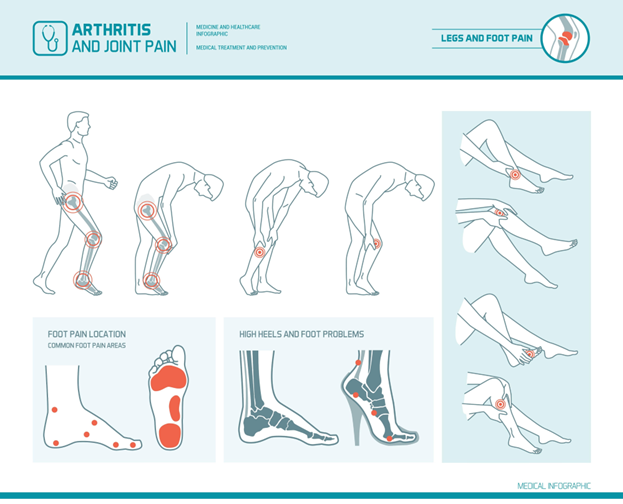
The different variants of EDS due to biochemical and genetic differences is what creates the clinical differences. Many individuals do not fit into a single type  and overlap is common. Symptoms can include highly flexible, loose joints, joint pain, fragile and redundant skin with a velvety texture, and abnormal scar formation which can be seen at birth or in early childhood.

Common Symptoms of Ehlers-Danlos Syndrome (EDS)

Symptoms can include:

  • Highly flexible, loose joints

  • Joint pain

  • Fragile and redundant skin with a velvety texture

  • Abnormal scar formation

  • Findings that may be present at birth or early childhood

Rare but Serious Complications of EDS

The most common forms of EDS are not life threatening or dangerous. There are some rare types that can be. Some manifestations that are only seen in this rare types of EDS include:

Aortic dissection

Aortic dissection, which is a medical emergency in which a tear happens in the inner layer of the body’s main artery, the aorta, can occur. Blood rushes through the tear causing the middle layers of the artery to split. This is called a dissection. If the blood goes outside the artery, it can be deadly.

Scoliosis

Scoliosis, where the spine can curve to either side, can change a person’s posture. The shoulders aren’t even and can even affect breathing movement.

Brittle Cornea

Brittle cornea is a rare but significant variant of EDS, which predisposes people to corneal ruptures and possible blindness.

Blue Sclerae

Blue sclerae is when the white of the eye appears blue, great or even purple. The condition is usually painless and is due to thinning of the connective tissue proteins letting the blood vessels underneath show through. In itself, the condition is not dangerous, but means there is a significant underlying medical condition that will need treatment.

Muscle Wasting & Hypotonia

Muscles waste away.  Hypotonia is a state of reduced muscle strength.

Postural Hypotension (Orthostatic Hypotension)

Postural hypotension is when the blood pressure drops on changing to an upright position, also call Orthostatic Hypotension. It can cause dizziness or lightheadedness and possibly fainting.

Cardiac Valvular Abnormalities

Cardiac valvular abnormalities are conditions that can cause one or more heart valves to leak blood backward into the heart chambers or fail to open fully. Your doctor may hear a “whooshing” noise or an extra click with a stethoscope. Some people have no symptoms, but poorly functioning heart valves can cause chest pain, difficulty breathing, tiredness, weakness, feeling irregular heartbeats, lightheadedness, fainting and swollen ankles, feet or belly.

Chronic Pain

Chronic pain can also affect those afflicted by EDS.

Where to Get Expert EDS Evaluation

It is important to seek out a clinician with expertise in EDS to make an accurate diagnosis and create a treatment plan. One of the nation’s leading centers on Ehlers-Danlos treatment is Franklin Cardiovascular Associates, under the direction of Nicholas DePace, MD, FACC. They are located in Sicklerville, New Jersey. franklincardiovascular.com, (856) 589-6034


About the Author

Nicholas L. DePace, MD, FACC is a board-certified cardiologist and Medical Director of Franklin Cardiovascular Associates. A graduate of the Mount Sinai School of Medicine, Dr. DePace has decades of clinical, academic, and research experience and has held faculty appointments as a Clinical Professor of Medicine, becoming one of the youngest full professors in Philadelphia at the time of his appointment.

Dr. DePace specializes in the diagnosis and treatment of autonomic nervous system dysfunction (dysautonomia), including POTS, autonomic dysfunction associated with Ehlers-Danlos syndrome (EDS), chronic fatigue, and anxiety-like conditions that are frequently misdiagnosed. He is nationally recognized for his work on parasympathetic and sympathetic (P&S) nervous system imbalance, a core mechanism underlying many complex chronic disorders.

In addition to treating patients from across the United States, Dr. DePace is a prolific clinical researcher and author of multiple nationally distributed medical textbooks published by Springer and W.W. Norton, focusing on autonomic dysfunction, mitochondrial disorders, cardiovascular disease, and mind–body medicine.

👉 View Dr. DePace’s professional profile
👉 View medical books by Dr. DePace

Read More
Ehlers-Danlos Syndrome

Ehlers-Danlos Syndrome (EDS) and Autonomic Dysfunction

Click here to download this post

By Dr. Nicholas L. DePace, M..D., F.A.C.C – Cardiologist specializing in autonomic dysfunction, Ehlers-Danlos syndrome and POTS.

Autonomic Nervous System Dysfunction in Ehlers-Danlos Syndrome

by Nicholas DePace MD, FACC, and Michael Edward Goldis DO, FACOI, MS, BS in Pharm

The autonomic nervous system (ANS) runs all background bodily functions that do not require a conscious thought process. Major consequences of autonomic dysfunction include abnormal and inappropriate blood volume and flow distribution to the body with gravitational pooling and difficulty returning blood to the heart.

Direct nerve dysfunction can affect pupil size and abnormal motility of the gastrointestinal (GI) tract, compensations which are adaptive mechanisms in the body’s attempt to compensate for autonomic dysfunction, which can cause adverse symptoms. There are 2 components: (1) the sympathetic nervous system, which releases predominantly norepinephrine and is the “accelerator” of the body; (2) the parasympathetic nervous system releases acetylcholine which is the “break” of the body.

The vagus nerve is the main component of the parasympathetic nervous system and is the longest nerve in the body. Because of its long distribution and size, it is susceptible to injury.

Impairment of blood flow to the brain, which is poor perfusion, leads to lightheadedness, tunnel vision, blackout vision, change in hearing, perception, complete loss of consciousness, syncope, presyncope, the need to lie down, giddiness, word-finding difficulties, and short term memory loss.

These occur in the standing position almost always or occasionally sitting, but not lying. These symptoms are known as orthostatic intolerance. Mental cloudiness and brain fog are described.

Lack of perfusion to the brain may precipitate migraines. Light intolerance, photophobia, bothersome sensation to loud noises, anxiety, insomnia, and depression may or may not reflect poor cerebral perfusion.

Ehlers Danlos Syndrome is often associated with GI motility and may be associated with mast cell activation. What the mast cells do is release histamine inflammatory mediators. This accounts for the overlapping features not EDS like abdominal pain and poor GI motility with foggy thinking.

There is an article in the New England Journal of Medicine that feels irritable bowel syndrome (IBS) is the result of a histamine abnormality. What the actual cause is controversial.

While some physicians believe there’s a component of autoimmunity, we believe there is an abnormal connective tissue in the veins precipitating the venous pooling phenomenon, there is poor cerebral perfusion, and Sympathetic overdrive leading to dysautonomia.

There may also be an anatomical component to the autonomic dysfunction when you consider the vagus nerve is a parasympathetic nerve and the most prominent and longest in the parasympathetic nervous system.

It is the 10th cranial nerve and arises from the brain stem located auth the junction between the cranium and the first cervical vertebrae, which is also at the base of the cerebellum.

Any craniocervical instability in this region or compression of the vagus nerve could potentially have profound effects on vagus nerve function. Craniocervical instability is common in EDS and needs flexion and extension radiographic images and proper measurements to clearly characterize it.

The vagus nerve exits from this location along with the ninth cranial nerve, the glossopharyngeal nerve, and the eleventh cranial nerve which is known as the spinal accessory nerve.

The vagus nerve then branches throughout most of the body. The vagus is both afferent sensory and efferent motor. This sensory fiber for the vagus takes information from the GI tract and runs it back to the brain, while the motor activity directs the bodily functions in many organs.

Some physicians describe the enteric nervous system as an organism “second brain” which can function completely in the absence of central nervous system input. The vagus nerve as well as the parasympathetic nervous system in general uses the neurotransmitter acetylcholine to transmit information from the presynaptic nerve termination to the end organ.

There can be abnormalities from the brain to the ganglia or from the end receptors where acetylcholine is released. There are about 30 neurotransmitters within the enteric nervous system which include more than 90% of the body’s serotonin and 50% of the body’s dopamine.

About the Author

Nicholas L. DePace, MD, FACC is a board-certified cardiologist and Medical Director of Franklin Cardiovascular Associates. A graduate of the Mount Sinai School of Medicine, Dr. DePace has decades of clinical, academic, and research experience and has held faculty appointments as a Clinical Professor of Medicine, becoming one of the youngest full professors in Philadelphia at the time of his appointment.

Dr. DePace specializes in the diagnosis and treatment of autonomic nervous system dysfunction (dysautonomia), including POTS, autonomic dysfunction associated with Ehlers-Danlos syndrome (EDS), chronic fatigue, and anxiety-like conditions that are frequently misdiagnosed. He is nationally recognized for his work on parasympathetic and sympathetic (P&S) nervous system imbalance, a core mechanism underlying many complex chronic disorders.

In addition to treating patients from across the United States, Dr. DePace is a prolific clinical researcher and author of multiple nationally distributed medical textbooks published by Springer and W.W. Norton, focusing on autonomic dysfunction, mitochondrial disorders, cardiovascular disease, and mind–body medicine.

👉 View Dr. DePace’s professional profile
👉 View medical books by Dr. DePace

 

Read More