More Than Sick of Salt

Archive for December 2025

Hypermobile Ehlers-Danlos Syndrome (hEDS): The Invisible Condition Behind Chronic Pain and Fatigue

Click Here to Download this Blog Post – The Invisible Condition (Part 6)

By Dr. Nicholas L. DePace, M..D., F.A.C.C – Cardiologist specializing in autonomic dysfunction, Ehlers-Danlos syndrome and POTS.

Hypermobile Ehlers-Danlos Syndrome (hEDS) and Hypermobility Spectrum Disorders (HSD) are conditions that often go unnoticed (“invisible”) for decades because they are difficult for doctors to spot.

Here are the key takeaways in simple terms:

  1. What are Hypermobile Ehlers-Danlos Syndrome (hEDS) and Hypermobility Spectrum Disorders (HSD)? hEDS and HSD are very similar conditions where the joints are too flexible (hypermobile) and unstable. While they used to have different names, they both result in the same problems: loose joints, muscle pain, frequent injuries, and eventually arthritis. Doctors diagnose this by checking how flexible you are using a checklist called the Beighton Criteria.
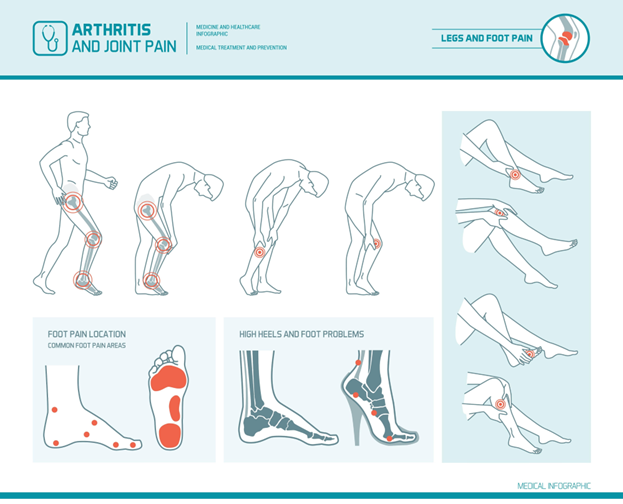
  2. The Main Symptom: Chronic Pain The biggest complaint from patients is widespread, long-lasting pain.
  • When does it start? For most people (75%), pain starts in their teenage years. However, for some, it doesn’t start until they are in their 50s or 60s.
  • Why does it hurt? The pain is usually linked to how unstable the joints are. The looser the joints, the worse the pain tends to be.
  1. Exhaustion and Poor Sleep Patients are often constantly tired. This isn’t just laziness; it is caused by:
  • Nervous system issues (P&S dysfunction).
  • Physical disruption: Joints can actually slip out of place (sublux) just by rolling over in bed, ruining sleep quality.
  1. The Cycle of Misdiagnosis Because the condition “hides,” patients are frequently misdiagnosed before doctors realize they have loose joints. Common wrong diagnoses include:
  • Chronic Fatigue Syndrome
  • Fibromyalgia
  • Depression
  • Hypochondriasis (being told “it’s all in your head”)
  • Malingering (being accused of faking it)

Conclusion Over the last 30 years, experts have realized that this is not just a joint problem. It is a whole-body condition that affects many different systems, causing significant suffering that often goes untreated for years.

It is important to seek out a clinician with expertise in EDS to make an accurate diagnosis and create a treatment plan. One of the nation’s leading centers is Franklin Cardiovascular Associates, under the direction of Nicholas DePace, MD, FACC. They are located in Sicklerville, New Jersey. franklincardiovascular.com, (856) 589-6034


About the Author


Nicholas L. DePace, MD, FACC 
is a board-certified cardiologist and Medical Director of Franklin Cardiovascular Associates in Sicklerville, New Jersey. He specializes in autonomic nervous system dysfunction, Ehlers-Danlos syndrome (EDS), POTS, and complex chronic conditions. Dr. DePace is the author of multiple medical books on autonomic dysfunction and mind–body disorders.

View books by Dr. DePace →

Read More

Ehlers-Danlos Syndrome (EDS): One Root Cause Behind Many Symptoms

Click Here to Download this Blog Post – Ehlers-Danlos Syndrome (EDS) The One Root Cause for Many Symptoms (Part 5)

By Dr. Nicholas L. DePace, M..D., F.A.C.C – Cardiologist specializing in autonomic dysfunction, Ehlers-Danlos syndrome and POTS.

Our research suggests that a wide variety of confusing medical conditions—ranging from anxiety, depression, and ADHD to physical issues like fibromyalgia, heart rate problems (POTS), and stomach issues—may all stem from a single root cause: dysfunction of the autonomic nervous system (P&S system). This dysfunction is particularly common in patients with Ehlers-Danlos Syndrome (EDS) or Hypermobile Spectrum Disorder (HSD).

Autonomic nervous system dysfunction in Ehlers-Danlos syndrome affecting blood flow

Here is how this dysfunction connects these seemingly unrelated symptoms:

  1. The Core Problem: Poor Blood Flow The main issue is that the nervous system is failing to regulate blood flow properly. This leads to “poor perfusion,” meaning not enough oxygen-rich blood is reaching the upper body and the brain.
  2. Why You Feel Pain (“Coat-Hanger Pain”) The text explains that pain in the neck and across the shoulders (often called “Coat-Hanger Pain”) is actually caused by the muscles being starved of blood. This lack of blood flow makes the muscles stiff and tight, leading to tension headaches.
  3. Why You Feel Anxious or Distracted Symptoms often labeled as mental health issues—like panic attacks, ADHD, OCD, or “brain fog”—may actually be the body’s survival mechanism.
  • When the brain realizes it isn’t getting enough blood, it panics.
  • It triggers “Adrenalin Storms” to force the heart to beat faster and push more blood upward.
  • Hyperactivity (like in ADHD) may be the brain’s attempt to keep activity high to demand more blood flow.
    1. The Treatment Approach The text concludes that doctors should focus on treating the nervous system dysfunction first. In many cases, once the blood flow regulation is fixed, the “anxiety,” “fibromyalgia,” and “attention disorders” disappear. If symptoms remain after that treatment, only then should they be treated as separate, standalone diseases.

It is important to seek out a clinician with expertise in EDS to make an accurate diagnosis and create a treatment plan. One of the nation’s leading centers is Franklin Cardiovascular Associates, under the direction of Nicholas DePace, MD, FACC. They are located in Sicklerville, New Jersey. franklincardiovascular.com, (856) 589-6034


About the Author


Nicholas L. DePace, MD, FACC 
is a board-certified cardiologist and Medical Director of Franklin Cardiovascular Associates in Sicklerville, New Jersey.He specializes in autonomic nervous system dysfunction, Ehlers-Danlos syndrome (EDS), POTS, and complex chronic conditions. DePace is the author of multiple medical books on autonomic dysfunction and mind–body disorders.

View books by Dr. DePace →

Read More

Ehlers-Danlos Syndrome (EDS): Undiagnosed Patient Case Study, Symptoms & Autonomic Dysfunction After COVID-19

Click Here to Download this Blog Post – Ehlers-Danlos Syndrome (EDS) The Undiagnosed Patient (Part 4)

By Dr. Nicholas L. DePace, M..D., F.A.C.C – Cardiologist specializing in autonomic dysfunction, Ehlers-Danlos syndrome and POTS.


  1. Case Summary: The Undiagnosed Patient

    Patient History: Lifelong Symptoms and Unexplained Health Issues

    The Patient’s History A 48-year-old woman visited a doctor due to worsening dizziness, heart palpitations, and “brain fog” when standing up, which intensified after a mild case of COVID-19. She had a lifetime history of unexplained health struggles. Since high school, she suffered from constant exhaustion and body aches (originally blamed on gymnastics). Her symptoms were diverse, including:

    • Joints that would frequently “pop out” or dislocate.
    • Easy bruising and stretch marks not related to weight gain.
    • Digestive issues (constipation) and heavy menstrual cycles.
    • Anxiety, sleep trouble, and migraines.

    The Medical “Odyssey”: Years of Misdiagnosis

    Over her lifetime, she saw more than two dozen specialists. Because her symptoms affected so many different parts of her body, doctors failed to connect them. She was misdiagnosed with anxiety, depression, and fibromyalgia, often being told her pain was psychological rather than physical.

    The Clinical Examination: Signs of Autonomic Dysfunction

    During this visit, the doctor noted that her heart rate spiked significantly when she stood up (a sign of autonomic dysfunction). The doctor also performed a Beighton score test, a standard method for measuring joint hypermobility.

Why Expert Evaluation Matters in EDS Diagnosis

It is important to seek out a clinician with expertise in EDS to make an accurate diagnosis and create a treatment plan. One of the nation’s leading centers is Franklin Cardiovascular Associates, under the direction of Nicholas DePace, MD, FACC. They are located in Sicklerville, New Jersey. franklincardiovascular.com, (856) 589-6034


About the Author


Nicholas L. DePace, MD, FAC
is a board-certified cardiologist and Medical Director of Franklin Cardiovascular Associates in Sicklerville, New Jersey. He specializes in autonomic nervous system dysfunction, Ehlers-Danlos syndrome (EDS), POTS, and complex chronic conditions. Dr. DePace is the author of multiple medical books on autonomic dysfunction and mind–body disorders.

View books by Dr. DePace →

Read More