
More Than Sick of Salt

All Posts Tagged: orthostatic hypotension

More Than Just “Bendy”: The Hidden Link Between Flexible Joints and Dizzy Spells

Click Here to Download this Blog Post – More Than Just “Bendy”: The Hidden Link Between Flexible Joints and Dizzy Spells (Part 8)

By Dr. Nicholas L. DePace, M..D., F.A.C.C – Cardiologist specializing in autonomic dysfunction, Ehlers-Danlos syndrome and POTS.

More Than Just “Bendy”: The Hidden Link Between Flexible Joints and Dizzy Spells

If you are a young woman who has spent years visiting doctors for chronic pain, overwhelming fatigue, and a racing heart every time you stand up, you might feel like you are chasing a mystery. You might have been told you are “just anxious,” or perhaps you’ve been diagnosed with Fibromyalgia.

But what if your loose joints and your dizzy spells are actually part of the same picture?

For many patients, the answer lies in hEDS (Hypermobile Ehlers-Danlos Syndrome) or HSD (Hypermobility Spectrum Disorder). While these conditions are defined by connective tissue, the hallmark sign that often leads to a diagnosis isn’t just double-jointedness—it is a dysfunction of the nervous system.


The “Check Engine Light” of the Body

When patients come to our clinic, they often present with a specific collection of struggles:

  • Chronic Pain and stiff joints.
  • Easy Bruising (skin that marks easily).
  • Chronic Fatigue that sleep doesn’t seem to fix.
  • Orthostatic Dysfunction (getting dizzy, seeing stars, or fainting when standing up).
  • Racing Heart Rate (consistent with POTS – Postural Orthostatic Tachycardia Syndrome).
  • Temperature issues (sweating too much or overheating easily).

While hEDS is a connective tissue disorder, nearly 100% of the patients we see also have issues with their Autonomic Nervous System (the automatic system that controls heart rate, digestion, and blood pressure).

Key Insight: We often discover the hypermobility because we are investigating the dizziness and heart rate issues. The loose joints are essentially predisposing the body to these nervous system glitches.


Connecting the Dots: The P&S Rollercoaster

To understand why you feel this way, we have to look at the two branches of your autonomic nervous system: the Parasympathetic (Rest and Digest) and the Sympathetic (Fight or Flight).

In hEDS/HSD patients, these two systems are often out of sync:

  1. Sympathetic Withdrawal: When you stand up, your “Fight or Flight” system should activate slightly to push blood to your head. In hEDS, this response is often weak (withdrawal). This leads to Orthostatic Dysfunction—dizziness and POTS.
  2. Parasympathetic Excess: The “Rest and Digest” system overcompensates. While this sounds calm, too muchactivity here causes problems like fainting (Syncope), stomach issues (GI motility disorders), inflammation, and an amplification of pain and anxiety.

The Fibromyalgia Confusion

A significant number of patients—at least one-third—come to us with a previous label of Fibromyalgia.

It is easy to see why: both conditions cause widespread pain and fatigue. However, in many cases, the root cause isn’t Fibromyalgia; it is hEDS/HSD causing joint instability and nervous system dysfunction. Recognizing the difference is vital for getting the right treatment.


hEDS vs. HSD: Whats the Difference?

  • hEDS (Hypermobile Ehlers-Danlos Syndrome): This is the most common connective tissue disorder seen in clinics. It has a suspected inheritance pattern (autosomal dominant), meaning it runs in families, though the specific gene hasn’t been identified yet.
  • HSD (Hypermobility Spectrum Disorder): Think of this as the sibling to hEDS. A person has the symptoms (pain, hypermobility) but might miss the strict criteria for hEDS by a point or two. Genetic understanding here is even scarce, but the management is largely the same.

Safety First: Ruling Out the “Scary” Stuff

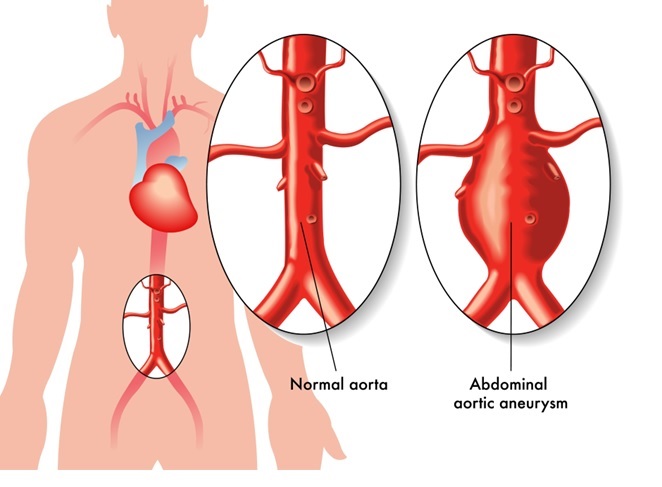
Because hEDS is part of a larger family of tissue disorders, doctors must perform a Differential Diagnosis. This means running tests to rule out rare, life-threatening conditions like Marfan syndrome, Vascular EDS (vEDS), or Loeys-Dietz syndrome.

These rare conditions affect the aorta and blood vessels. However, for the vast majority of patients (98%+), these are ruled out, leaving us with the hEDS or HSD diagnosis.


The Good News

While living with hEDS/HSD can be exhausting and painful, the prognosis is favorable. Unlike the rare vascular types, hEDS/HSD is associated with a normal life expectancy.

Understanding that your racing heart, your anxiety, your tummy troubles, and your joint pain are all connected is the first step toward management. You aren’t “just anxious” and you aren’t imagining it. It is a systemic connection between your tissues and your nerves, and it can be managed.


It is important to seek out a clinician with expertise in EDS to make an accurate diagnosis and create a treatment plan. One of the nation’s leading centers is Franklin Cardiovascular Associates, under the direction of Nicholas DePace, MD, FACC. They are located in Sicklerville, New Jersey. franklincardiovascular.com, (856) 589-6034.

It is important to seek out a clinician with expertise in EDS to make an accurate diagnosis and create a treatment plan. One of the nation’s leading centers is Franklin Cardiovascular Associates, under the direction of Nicholas DePace, MD, FACC. They are located in Sicklerville, New Jersey. franklincardiovascular.com, (856) 589-6034


About the Author

Nicholas L. DePace, MD, FACC is a board-certified cardiologist and Medical Director of Franklin Cardiovascular Associates. A graduate of the Mount Sinai School of Medicine, Dr. DePace has decades of clinical, academic, and research experience and has held faculty appointments as a Clinical Professor of Medicine, becoming one of the youngest full professors in Philadelphia at the time of his appointment.

Dr. DePace specializes in the diagnosis and treatment of autonomic nervous system dysfunction (dysautonomia), including POTS, autonomic dysfunction associated with Ehlers-Danlos syndrome (EDS), chronic fatigue, and anxiety-like conditions that are frequently misdiagnosed. He is nationally recognized for his work on parasympathetic and sympathetic (P&S) nervous system imbalance, a core mechanism underlying many complex chronic disorders.

In addition to treating patients from across the United States, Dr. DePace is a prolific clinical researcher and author of multiple nationally distributed medical textbooks published by Springer and W.W. Norton, focusing on autonomic dysfunction, mitochondrial disorders, cardiovascular disease, and mind–body medicine.

👉 View Dr. DePace’s professional profile
👉 View medical books by Dr. DePace
Read More

The “Soft Skeleton” Problem: How Faulty Collagen Disrupts the Body in hEDS

Click Here to Download this Blog Post – The “Soft Skeleton” Problem (Part 7)

By Dr. Nicholas L. DePace, M..D., F.A.C.C – Cardiologist specializing in autonomic dysfunction, Ehlers-Danlos syndrome and POTS.

Heritable Connective Tissue Disorders (HCTDs) are caused by the body making collagen incorrectly.

  1. Collagen is the Body’s “Glue” Collagen is described as the body’s “soft skeleton.” It is found in every organ, blood vessel, and nerve. It gives your body its shape and holds your organs in place. When your body creates faulty collagen, it leads to disorders like Marfan syndrome, Stickler syndrome, and the most common one: Hypermobile Ehlers-Danlos Syndrome (hEDS).
  2. Ruling Out Danger It is critical for doctors to figure out exactly which disorder a patient has. While most patients have hEDS (which is painful but not fatal), there are rare types (like Vascular EDS) that can be life-threatening. Doctors need to rule those out first to ensure the patient is safe.
  3. The Name Matters Less Than the Treatment There is currently no genetic test for hEDS. Doctors often argue over labels—whether to call it hEDS, Hypermobility Spectrum Disorder (HSD), or the older term “Joint Hypermobility Syndrome.” The specific label doesn’t matter much because the treatment is the same: focus on relieving the pain, fatigue, and functional issues.
  4. The “Hallmark” Symptoms For most patients (especially young women), the biggest clue isn’t just flexible joints—it is Autonomic Dysfunction. This means the body’s automatic systems are out of sync. Common symptoms include:
  • POTS: A racing heart when standing up.
  • Chronic Fatigue: Feeling exhausted all the time.
  • Thermoregulatory issues: Sweating too much or trouble controlling body temperature.
  • Easy bruising.

In short, while flexible joints are a sign, the internal symptoms (like heart rate and fatigue) are often what bother the patient the most and lead to the diagnosis.

It is important to seek out a clinician with expertise in EDS to make an accurate diagnosis and create a treatment plan. One of the nation’s leading centers is Franklin Cardiovascular Associates, under the direction of Nicholas DePace, MD, FACC. They are located in Sicklerville, New Jersey. franklincardiovascular.com, (856) 589-6034


About the Author

Nicholas L. DePace, MD, FACC is a board-certified cardiologist and Medical Director of Franklin Cardiovascular Associates. A graduate of the Mount Sinai School of Medicine, Dr. DePace has decades of clinical, academic, and research experience and has held faculty appointments as a Clinical Professor of Medicine, becoming one of the youngest full professors in Philadelphia at the time of his appointment.

Dr. DePace specializes in the diagnosis and treatment of autonomic nervous system dysfunction (dysautonomia), including POTS, autonomic dysfunction associated with Ehlers-Danlos syndrome (EDS), chronic fatigue, and anxiety-like conditions that are frequently misdiagnosed. He is nationally recognized for his work on parasympathetic and sympathetic (P&S) nervous system imbalance, a core mechanism underlying many complex chronic disorders.

In addition to treating patients from across the United States, Dr. DePace is a prolific clinical researcher and author of multiple nationally distributed medical textbooks published by Springer and W.W. Norton, focusing on autonomic dysfunction, mitochondrial disorders, cardiovascular disease, and mind–body medicine.

👉 View Dr. DePace’s professional profile
👉 View medical books by Dr. DePace

Read More

Hypermobile Ehlers-Danlos Syndrome (hEDS): The Invisible Condition Behind Chronic Pain and Fatigue

Click Here to Download this Blog Post – The Invisible Condition (Part 6)

By Dr. Nicholas L. DePace, M..D., F.A.C.C – Cardiologist specializing in autonomic dysfunction, Ehlers-Danlos syndrome and POTS.

Hypermobile Ehlers-Danlos Syndrome (hEDS) and Hypermobility Spectrum Disorders (HSD) are conditions that often go unnoticed (“invisible”) for decades because they are difficult for doctors to spot.

Here are the key takeaways in simple terms:

  1. What are Hypermobile Ehlers-Danlos Syndrome (hEDS) and Hypermobility Spectrum Disorders (HSD)? hEDS and HSD are very similar conditions where the joints are too flexible (hypermobile) and unstable. While they used to have different names, they both result in the same problems: loose joints, muscle pain, frequent injuries, and eventually arthritis. Doctors diagnose this by checking how flexible you are using a checklist called the Beighton Criteria.
  2. The Main Symptom: Chronic Pain The biggest complaint from patients is widespread, long-lasting pain.
  • When does it start? For most people (75%), pain starts in their teenage years. However, for some, it doesn’t start until they are in their 50s or 60s.
  • Why does it hurt? The pain is usually linked to how unstable the joints are. The looser the joints, the worse the pain tends to be.
  1. Exhaustion and Poor Sleep Patients are often constantly tired. This isn’t just laziness; it is caused by:
  • Nervous system issues (P&S dysfunction).
  • Physical disruption: Joints can actually slip out of place (sublux) just by rolling over in bed, ruining sleep quality.
  1. The Cycle of Misdiagnosis Because the condition “hides,” patients are frequently misdiagnosed before doctors realize they have loose joints. Common wrong diagnoses include:
  • Chronic Fatigue Syndrome
  • Fibromyalgia
  • Depression
  • Hypochondriasis (being told “it’s all in your head”)
  • Malingering (being accused of faking it)

Conclusion Over the last 30 years, experts have realized that this is not just a joint problem. It is a whole-body condition that affects many different systems, causing significant suffering that often goes untreated for years.

It is important to seek out a clinician with expertise in EDS to make an accurate diagnosis and create a treatment plan. One of the nation’s leading centers is Franklin Cardiovascular Associates, under the direction of Nicholas DePace, MD, FACC. They are located in Sicklerville, New Jersey. franklincardiovascular.com, (856) 589-6034


About the Author

Nicholas L. DePace, MD, FACC is a board-certified cardiologist and Medical Director of Franklin Cardiovascular Associates. A graduate of the Mount Sinai School of Medicine, Dr. DePace has decades of clinical, academic, and research experience and has held faculty appointments as a Clinical Professor of Medicine, becoming one of the youngest full professors in Philadelphia at the time of his appointment.

Dr. DePace specializes in the diagnosis and treatment of autonomic nervous system dysfunction (dysautonomia), including POTS, autonomic dysfunction associated with Ehlers-Danlos syndrome (EDS), chronic fatigue, and anxiety-like conditions that are frequently misdiagnosed. He is nationally recognized for his work on parasympathetic and sympathetic (P&S) nervous system imbalance, a core mechanism underlying many complex chronic disorders.

In addition to treating patients from across the United States, Dr. DePace is a prolific clinical researcher and author of multiple nationally distributed medical textbooks published by Springer and W.W. Norton, focusing on autonomic dysfunction, mitochondrial disorders, cardiovascular disease, and mind–body medicine.

👉 View Dr. DePace’s professional profile
👉 View medical books by Dr. DePace
Read More

Ehlers-Danlos Syndrome (EDS): One Root Cause Behind Many Symptoms

Click Here to Download this Blog Post – Ehlers-Danlos Syndrome (EDS) The One Root Cause for Many Symptoms (Part 5)

By Dr. Nicholas L. DePace, M..D., F.A.C.C – Cardiologist specializing in autonomic dysfunction, Ehlers-Danlos syndrome and POTS.

Our research suggests that a wide variety of confusing medical conditions—ranging from anxiety, depression, and ADHD to physical issues like fibromyalgia, heart rate problems (POTS), and stomach issues—may all stem from a single root cause: dysfunction of the autonomic nervous system (P&S system). This dysfunction is particularly common in patients with Ehlers-Danlos Syndrome (EDS) or Hypermobile Spectrum Disorder (HSD).

Autonomic nervous system dysfunction in Ehlers-Danlos syndrome affecting blood flow

Here is how this dysfunction connects these seemingly unrelated symptoms:

  1. The Core Problem: Poor Blood Flow The main issue is that the nervous system is failing to regulate blood flow properly. This leads to “poor perfusion,” meaning not enough oxygen-rich blood is reaching the upper body and the brain.
  2. Why You Feel Pain (“Coat-Hanger Pain”) The text explains that pain in the neck and across the shoulders (often called “Coat-Hanger Pain”) is actually caused by the muscles being starved of blood. This lack of blood flow makes the muscles stiff and tight, leading to tension headaches.
  3. Why You Feel Anxious or Distracted Symptoms often labeled as mental health issues—like panic attacks, ADHD, OCD, or “brain fog”—may actually be the body’s survival mechanism.
  • When the brain realizes it isn’t getting enough blood, it panics.
  • It triggers “Adrenalin Storms” to force the heart to beat faster and push more blood upward.
  • Hyperactivity (like in ADHD) may be the brain’s attempt to keep activity high to demand more blood flow.
    1. The Treatment Approach The text concludes that doctors should focus on treating the nervous system dysfunction first. In many cases, once the blood flow regulation is fixed, the “anxiety,” “fibromyalgia,” and “attention disorders” disappear. If symptoms remain after that treatment, only then should they be treated as separate, standalone diseases.

It is important to seek out a clinician with expertise in EDS to make an accurate diagnosis and create a treatment plan. One of the nation’s leading centers is Franklin Cardiovascular Associates, under the direction of Nicholas DePace, MD, FACC. They are located in Sicklerville, New Jersey. franklincardiovascular.com, (856) 589-6034


About the Author

Nicholas L. DePace, MD, FACC is a board-certified cardiologist and Medical Director of Franklin Cardiovascular Associates. A graduate of the Mount Sinai School of Medicine, Dr. DePace has decades of clinical, academic, and research experience and has held faculty appointments as a Clinical Professor of Medicine, becoming one of the youngest full professors in Philadelphia at the time of his appointment.

Dr. DePace specializes in the diagnosis and treatment of autonomic nervous system dysfunction (dysautonomia), including POTS, autonomic dysfunction associated with Ehlers-Danlos syndrome (EDS), chronic fatigue, and anxiety-like conditions that are frequently misdiagnosed. He is nationally recognized for his work on parasympathetic and sympathetic (P&S) nervous system imbalance, a core mechanism underlying many complex chronic disorders.

In addition to treating patients from across the United States, Dr. DePace is a prolific clinical researcher and author of multiple nationally distributed medical textbooks published by Springer and W.W. Norton, focusing on autonomic dysfunction, mitochondrial disorders, cardiovascular disease, and mind–body medicine.

👉 View Dr. DePace’s professional profile
👉 View medical books by Dr. DePace

Read More

Ehlers-Danlos Syndrome (EDS): Undiagnosed Patient Case Study, Symptoms & Autonomic Dysfunction After COVID-19

Click Here to Download this Blog Post – Ehlers-Danlos Syndrome (EDS) The Undiagnosed Patient (Part 4)

By Dr. Nicholas L. DePace, M..D., F.A.C.C – Cardiologist specializing in autonomic dysfunction, Ehlers-Danlos syndrome and POTS.


  1. Case Summary: The Undiagnosed Patient

    Patient History: Lifelong Symptoms and Unexplained Health Issues

    The Patient’s History A 48-year-old woman visited a doctor due to worsening dizziness, heart palpitations, and “brain fog” when standing up, which intensified after a mild case of COVID-19. She had a lifetime history of unexplained health struggles. Since high school, she suffered from constant exhaustion and body aches (originally blamed on gymnastics). Her symptoms were diverse, including:

    • Joints that would frequently “pop out” or dislocate.
    • Easy bruising and stretch marks not related to weight gain.
    • Digestive issues (constipation) and heavy menstrual cycles.
    • Anxiety, sleep trouble, and migraines.

    The Medical “Odyssey”: Years of Misdiagnosis

    Over her lifetime, she saw more than two dozen specialists. Because her symptoms affected so many different parts of her body, doctors failed to connect them. She was misdiagnosed with anxiety, depression, and fibromyalgia, often being told her pain was psychological rather than physical.

    The Clinical Examination: Signs of Autonomic Dysfunction

    During this visit, the doctor noted that her heart rate spiked significantly when she stood up (a sign of autonomic dysfunction). The doctor also performed a Beighton score test, a standard method for measuring joint hypermobility.

Why Expert Evaluation Matters in EDS Diagnosis

It is important to seek out a clinician with expertise in EDS to make an accurate diagnosis and create a treatment plan. One of the nation’s leading centers is Franklin Cardiovascular Associates, under the direction of Nicholas DePace, MD, FACC. They are located in Sicklerville, New Jersey. franklincardiovascular.com, (856) 589-6034


About the Author

Nicholas L. DePace, MD, FACC is a board-certified cardiologist and Medical Director of Franklin Cardiovascular Associates. A graduate of the Mount Sinai School of Medicine, Dr. DePace has decades of clinical, academic, and research experience and has held faculty appointments as a Clinical Professor of Medicine, becoming one of the youngest full professors in Philadelphia at the time of his appointment.

Dr. DePace specializes in the diagnosis and treatment of autonomic nervous system dysfunction (dysautonomia), including POTS, autonomic dysfunction associated with Ehlers-Danlos syndrome (EDS), chronic fatigue, and anxiety-like conditions that are frequently misdiagnosed. He is nationally recognized for his work on parasympathetic and sympathetic (P&S) nervous system imbalance, a core mechanism underlying many complex chronic disorders.

In addition to treating patients from across the United States, Dr. DePace is a prolific clinical researcher and author of multiple nationally distributed medical textbooks published by Springer and W.W. Norton, focusing on autonomic dysfunction, mitochondrial disorders, cardiovascular disease, and mind–body medicine.

👉 View Dr. DePace’s professional profile
👉 View medical books by Dr. DePace

Read More